
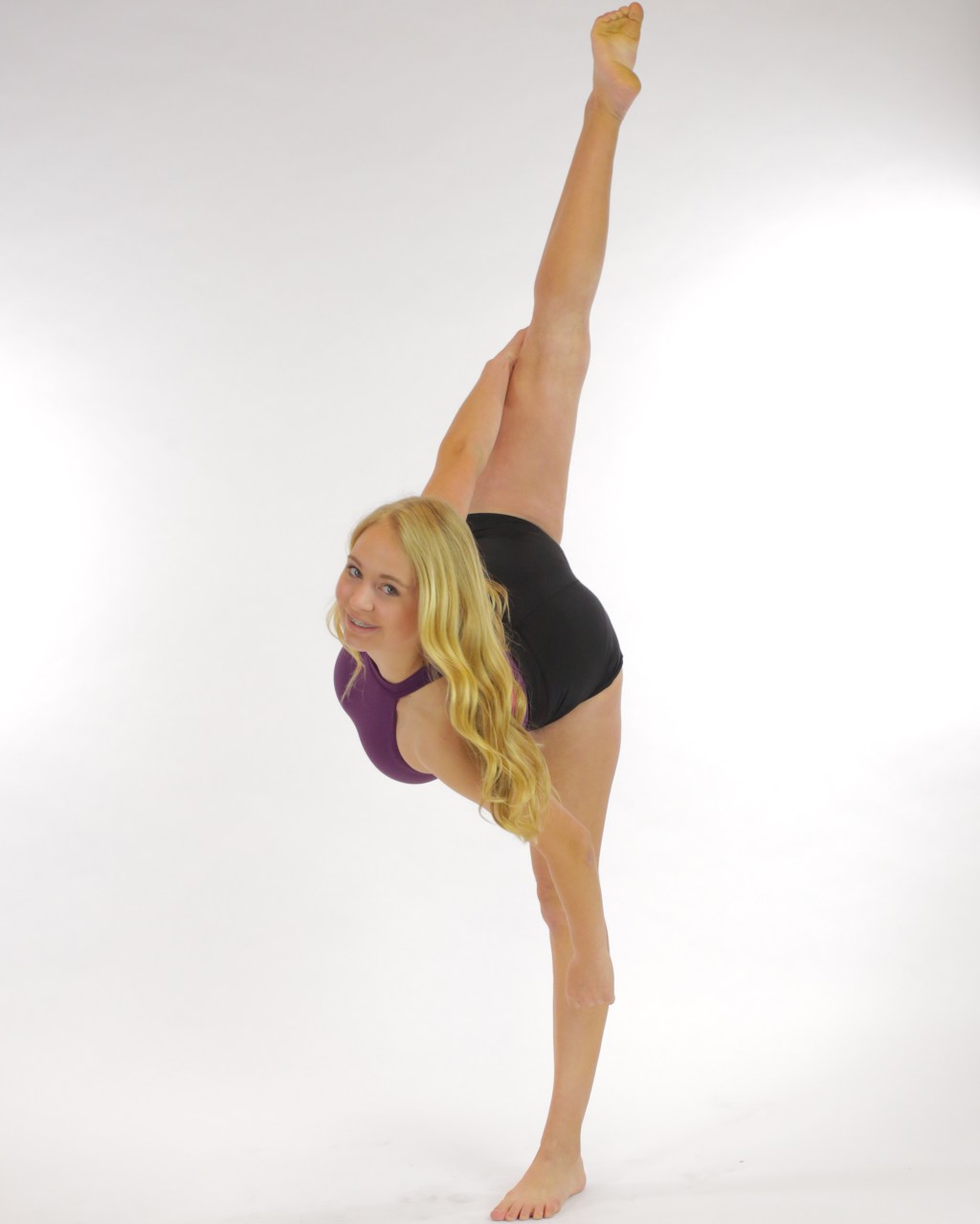
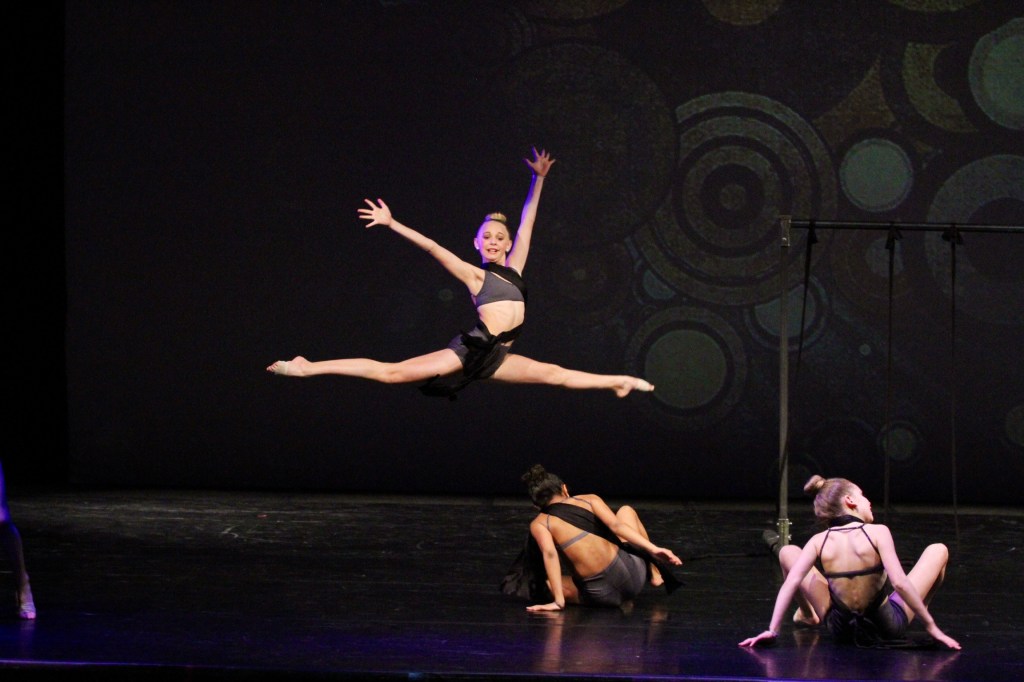
Welcome back to Kylie’s Mindful Playbook. Today, I’m delving into my perspective on mental health as I’ve grown up. While I’ve participated in various sports, I want to focus on the impact of mental health on competitive dancers. The world of dance often goes unrecognized and misunderstood compared to more popular sports. There’s a lot to uncover about the dance world and how it has influenced my mental well-being throughout my experiences.
I’ve been involved in professional dance since the age of seven, and by the time I finished my freshman year of high school at around 14, I had gained a deep understanding of both the positive and negative impacts of dance as a sport. On the positive side, dance instilled in me values like respect, time management, and a strong work ethic developed through long hours of practice. However, the constant comparison to others in an individual sport often led to negative feelings and self-doubt that still linger with me today. While I became adept at working independently and developing a sense of individualism, I wish I had experienced more emphasis on teamwork within the sport. The competitive environment of my dance studio often left me feeling overlooked and constantly compared to my peers, highlighting the importance of teamwork in sports and mental well-being. In today’s competitive sports world, overcoming mental barriers like comparison can be challenging, underscoring the significance of fostering a supportive and collaborative team environment.
Addressing the Downfalls
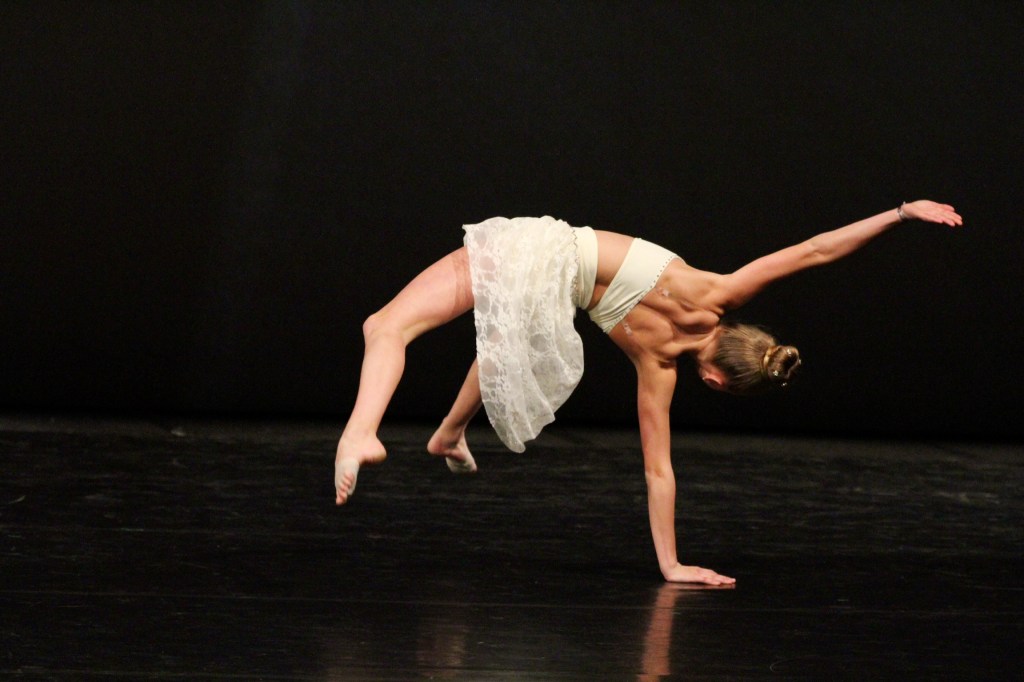
While my journey in dance has introduced me to amazing individuals, I believe there’s room for more support for those dedicating extensive hours to their craft. It’s essential to have readily available mental health resources, acknowledging that similar challenges exist in various sports. Reflecting on my experiences, I’ve recognized areas where my sport could have offered a more nurturing environment.
In dance, comparisons and pressure were common, whether regarding technique, appearance, or performance. There were moments of self-comparison that led to anxiety, and I often wished for more reminders that every body is unique and valuable. The pursuit of perfection also weighed heavily on me, contributing to stress and unrealistic standards.
Body image concerns added to the mix, as I felt taller and developed differently than my peers. Physical strain, especially in terms of flexibility and constant training without breaks, led to injuries and took a toll on my mental health. The demanding schedules and performance pressure eventually led to burnout and feelings of isolation.
Despite these challenges, I believe that with the right support systems in place, dancers and athletes can thrive. Encouraging a culture of acceptance, emphasizing individual strengths, and providing resources for mental well-being can significantly improve the overall experience for athletes.
How Do We Fix This in All Sports?
Addressing the mental health challenges in sports requires a multifaceted approach focused on creating a supportive and inclusive environment. Firstly, promoting positive body image and self-acceptance is crucial, emphasizing that every body is unique and valuable. Coaches and mentors should encourage a growth mindset, highlighting progress and effort over perfectionism. Implementing regular mental health check-ins and providing access to mental health resources, such as counselors or sports psychologists, can offer athletes the support they need. Moreover, fostering a team culture that values collaboration, empathy, and open communication can reduce feelings of isolation and competition-induced stress. Training schedules should prioritize rest and recovery to prevent burnout, and athletes should be encouraged to engage in activities outside of their sport for a balanced lifestyle. Overall, a holistic approach that prioritizes mental well-being alongside physical training is essential to creating a healthier sports environment.
I believe that dance has contributed many positive experiences to my growth, but addressing mental health challenges in competitive sports is a significant issue. While there are undoubtedly positive aspects of mental health in sports that I’m eager to discuss, I’ll begin by tackling some of the struggles I’ve personally dealt with.
PICTURES OF MY OWN
 Kylie's Collection
Leave a comment