
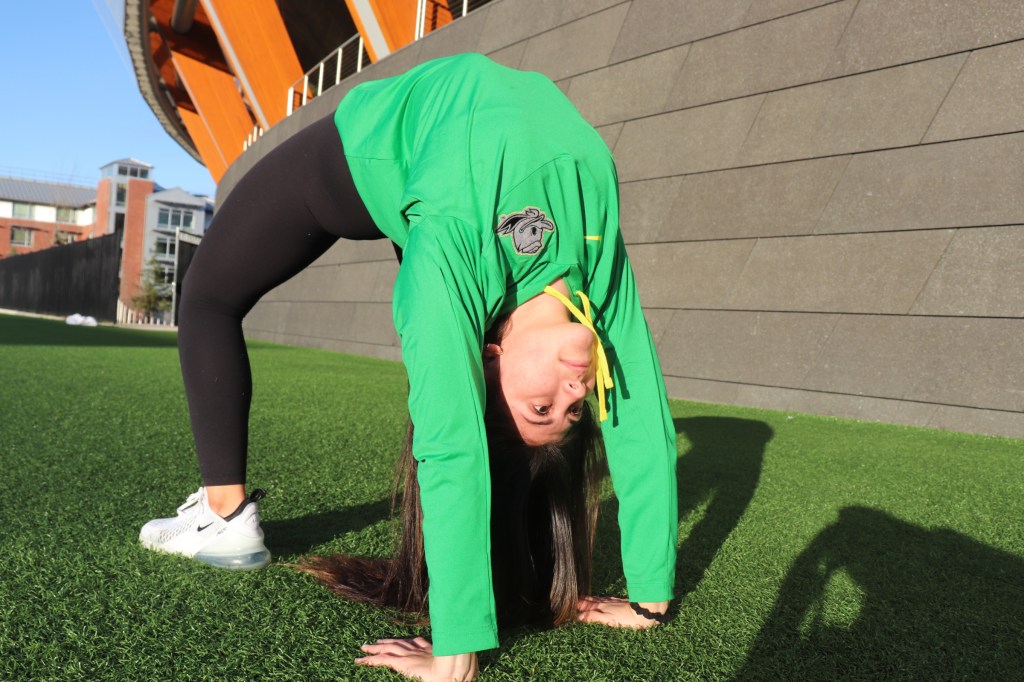
Welcome back to Kylie’s Mindful Playbook! In today’s post, I interviewed one of Oregon’s cheerleaders to discuss her college experience as an athlete and how she manages her mental health while balancing school and athletics.
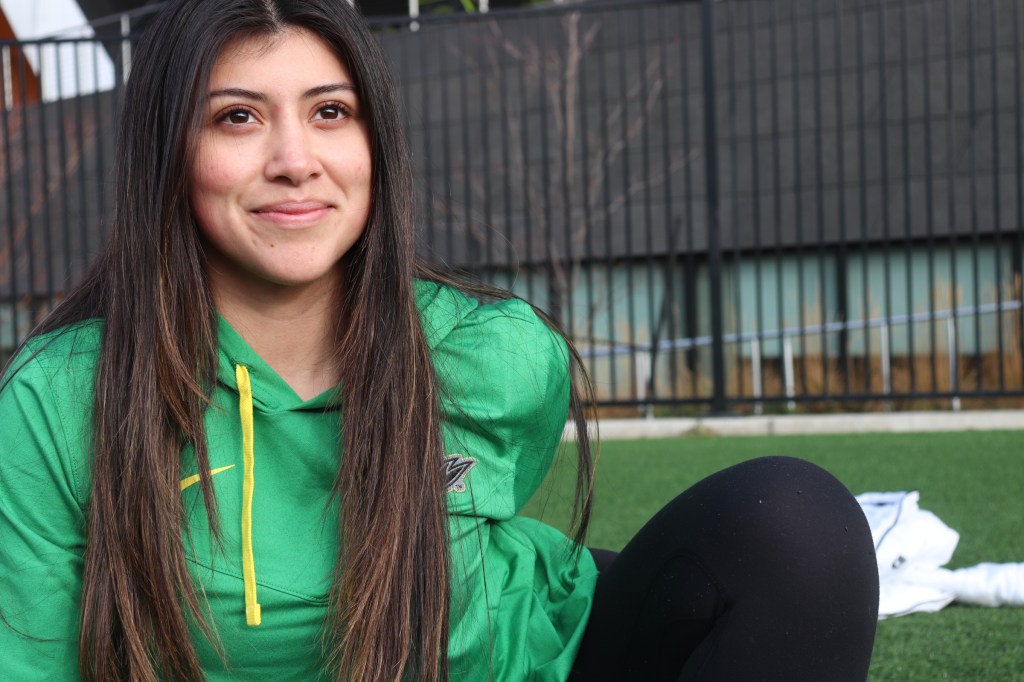
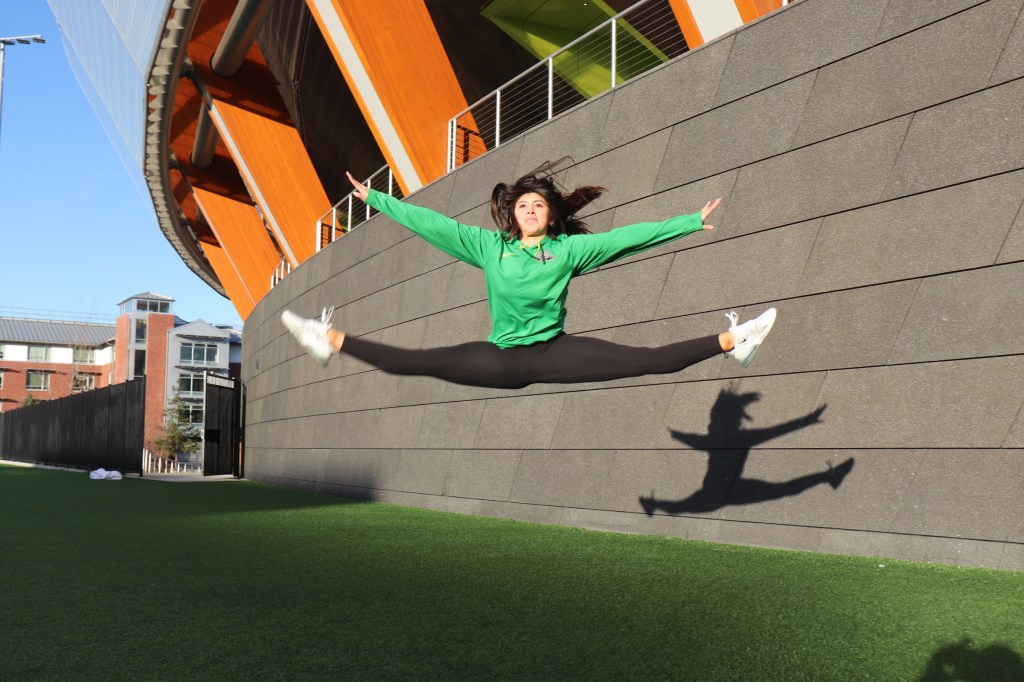
Above is Mia Saucedo, a member of the University of Oregon’s cheerleading team. Saucedo is entering her third year on the squad. Outside of cheerleading, she is majoring in Public Relations with a minor in Sports Business. Sports have always been a significant part of Saucedo’s life, whether it’s watching college and professional sports, studying sports at UO, or participating as a student-athlete herself. Saucedo has extensive experience in sports, as she attends most games to cheer on the sidelines. She knows a lot about boosting positive energy and having fun, as cheerleaders do. However, being a college athlete can have its hardships despite all the smiles.
An Insight into the Challenges Faced by Student-Athletes
Navigating the demands of both school and cheerleading presents ongoing challenges for Saucedo, requiring a delicate balance of time and energy. With a major in Public Relations, a minor in Sports Business, and her responsibilities on the cheer squad, her schedule remains consistently packed, leaving minimal room for breaks. The pressure to excel academically while delivering peak performances on the cheer squad can feel daunting, impacting her mental well-being. Despite her enthusiasm for sports and cheerleading, the strain of meeting high expectations and managing time efficiently can have a significant impact on her overall health. Mia has cultivated an understanding of the necessity of self-care, the importance of seeking support, and the significance of maintaining a sense of equilibrium to safeguard her well-being amidst the demands of being a student-athlete.
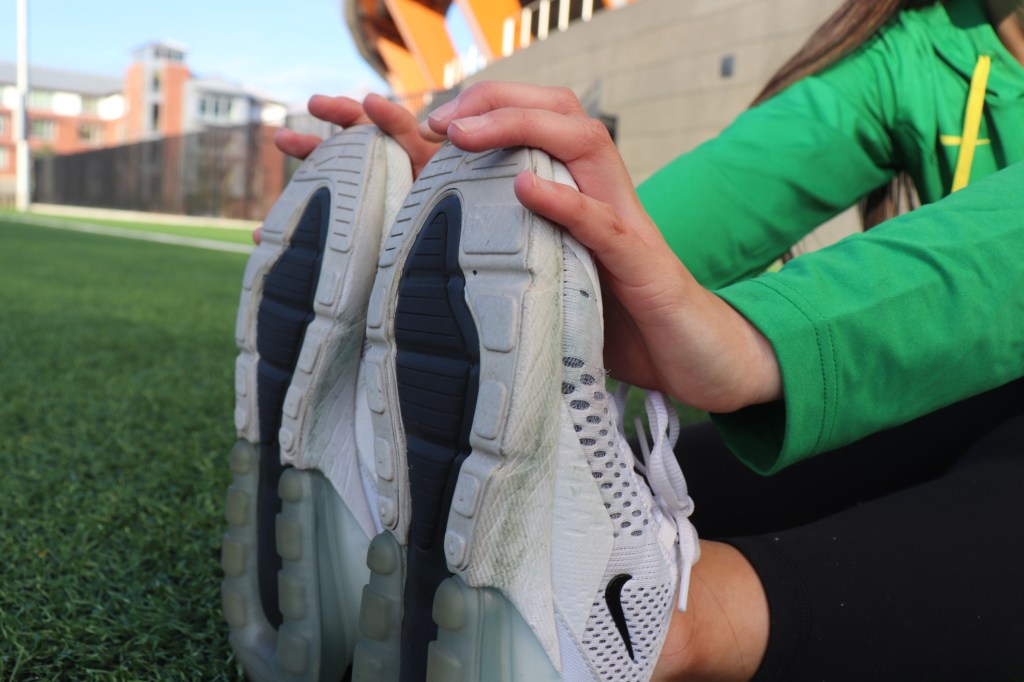
Additionally, cheerleading exacts a physical toll on Saucedo, evidenced by the rigorous training, relentless practices, and the physicality of performing stunts. These activities can lead to a range of physical challenges, from muscle strains and sprains to overall fatigue. However, Mia tackles these obstacles adeptly by prioritizing proper conditioning, regular exercise, and diligent care for her body. She incorporates targeted stretching and strength training exercises into her routine, not only to prevent injuries but also to enhance her flexibility and physical resilience. Moreover, she places a premium on rest and recovery, ensuring she attains sufficient sleep and downtime to facilitate her body’s healing and rejuvenation process. Mia’s proactive strategies in managing the physical demands of cheerleading not only contribute to her remaining injury-free but also empower her to perform optimally during practices and performances.
How Mental Health is Impacted
The demanding nature of cheerleading training and the balancing act of being a student-athlete can significantly impact one’s mental health. Here are several reasons why this combination can lead to mental health issues:
- Pressure to Perform: Student-athletes like Mia Saucedo often face immense pressure to excel both academically and athletically, leading to stress and anxiety.
- Time Management: Juggling rigorous training schedules, academic responsibilities, and other commitments can create a constant sense of time pressure and overwhelm.
- Injury Risk: The physical demands of cheerleading increase the risk of injuries, which can have a negative impact on mental well-being due to pain, rehabilitation, and fear of re-injury.
- Social Isolation: The demanding schedule may leave little time for socializing and building relationships, leading to feelings of loneliness and isolation.
- Body Image Concerns: Cheerleading often emphasizes physical appearance and fitness, contributing to body image issues and eating disorders among some athletes.
- Performance Anxiety: The pressure to perform flawlessly during practices, games, and performances can lead to performance anxiety and self-doubt.
- Academic Stress: Maintaining high academic standards while dedicating significant time to training can create academic stress and feelings of inadequacy.
- Transition Challenges: Balancing the transition from high school to college, managing newfound independence, and adapting to a more intense athletic and academic environment can be overwhelming.
- Sleep Deprivation: Busy schedules may result in inadequate sleep, impacting mood, cognitive function, and overall well-being.
- Burnout: The cumulative effect of these pressures and challenges can lead to burnout, where athletes may experience physical and emotional exhaustion, loss of motivation, and a decline in performance.
Mia Saucedo navigates the challenges of being a student-athlete with resilience and strategies that help her maintain good mental health. Firstly, she prioritizes self-care by ensuring she gets enough rest and downtime to recharge her mind and body. This proactive approach to rest and recovery helps her manage stress and prevent burnout. Secondly, Mia maintains a strong support system, both within her cheerleading team and among friends and family. Having a network of people she can rely on for emotional support and encouragement allows her to share her feelings and seek guidance when needed. Additionally, Mia practices mindfulness and stress management techniques such as meditation, deep breathing exercises, and visualization. These practices help her stay focused, calm, and mentally prepared during challenging times. Lastly, Mia maintains a healthy balance between her academic and athletic pursuits, setting realistic goals and priorities to avoid feeling overwhelmed. Her proactive mindset, strong support network, and effective stress management techniques contribute to her overall well-being and resilience in navigating the demands of being a student-athlete.
Effects of Coaching on Mental Health
Saucedo explains that one of the biggest contributors to her well-being as a student-athlete is her coach, Dana Lockett. Lockett ensures monthly check-ins with her athletes to monitor their progress with school and other aspects of life. Saucedo appreciates Lockett’s emphasis on achieving a healthy work-life balance while being active on campus and part of a sports team. She believes that having a coach and staff who prioritize regular check-ins is crucial for maintaining mental health and fostering a sense of community within the team.
Effects of Teammates on Mental Health
Building strong bonds and relationships with teammates is crucial for maintaining a healthy perspective as a student-athlete. Mia Saucedo emphasizes the importance of these connections, noting that her teammates engage in bonding activities outside of cheer to foster friendships both on and off the team. They extend a warm welcome to new members during the stressful tryout period each year, offering support and encouragement. Saucedo highlights the team’s culture of celebrating successes and providing support during challenging times, stating, “We spend so much time together that even a glance during practice can signal if someone needs support.” This close-knit dynamic allows them to check in on each other’s well-being regularly, helping everyone maintain a healthy balance between life and mental health.
UO Support on Campus
Mia Saucedo benefits greatly from the Jaqua Center on campus. This facility provides Mia and other students with tutoring, academic advising, study areas, and access to technology, all of which are essential for maintaining academic success while balancing the demands of being a cheerleader. The center’s specialized support for student-athletes helps Mia manage her training schedule alongside her coursework. Additionally, the Jaqua Center promotes a sense of community through collaborative spaces and peer support, contributing to Mia’s overall well-being. Its workshops on time management, stress management, and mental health are particularly valuable to her, ensuring she has the tools and resources needed to thrive academically and personally during her time at UO. Overall this facility helps her keep up on her work to not feel overwhelmed.
Mia Saucedo’s robust mental health stands as a testament to the myriad support systems and strategies she has cultivated throughout her journey as a student-athlete. Her ability to effectively balance the demands of school and cheerleading, coupled with her proactive approach to self-care and stress management, has enabled her to navigate challenges with resilience and success. This serves as a valuable example of how having good coaches, facilities, teammates, and support systems can significantly improve mental health outcomes for athletes.
This extends beyond Mia’s experience to other sports at colleges and even youth sports settings. Institutions that prioritize mental well-being by providing access to resources like counseling, academic support, and wellness programs can positively impact athletes’ overall health and performance. Additionally, fostering a sense of community, camaraderie, and open communication among teammates creates a supportive environment where individuals feel valued, heard, and empowered. It’s essential for athletes at all levels to recognize the importance of seeking help when needed, whether it’s from coaches, teammates, or professional support services. By embracing a holistic approach to wellness and maintaining open dialogue, athletes can thrive both on and off the field, nurturing not just their physical skills but also their mental resilience and well-being.
PHOTOS TAKEN BY KYLIE HECHT
 Kylie's Collection
Leave a comment